Practical operations over decorative complexity.
We focus on employee records, approval clarity, attendance structure, payroll readiness, and the operational detail that makes HR teams feel more in control.
My HR is built to help companies run people operations with cleaner data, stronger approval control, and less manual follow-up across daily work.
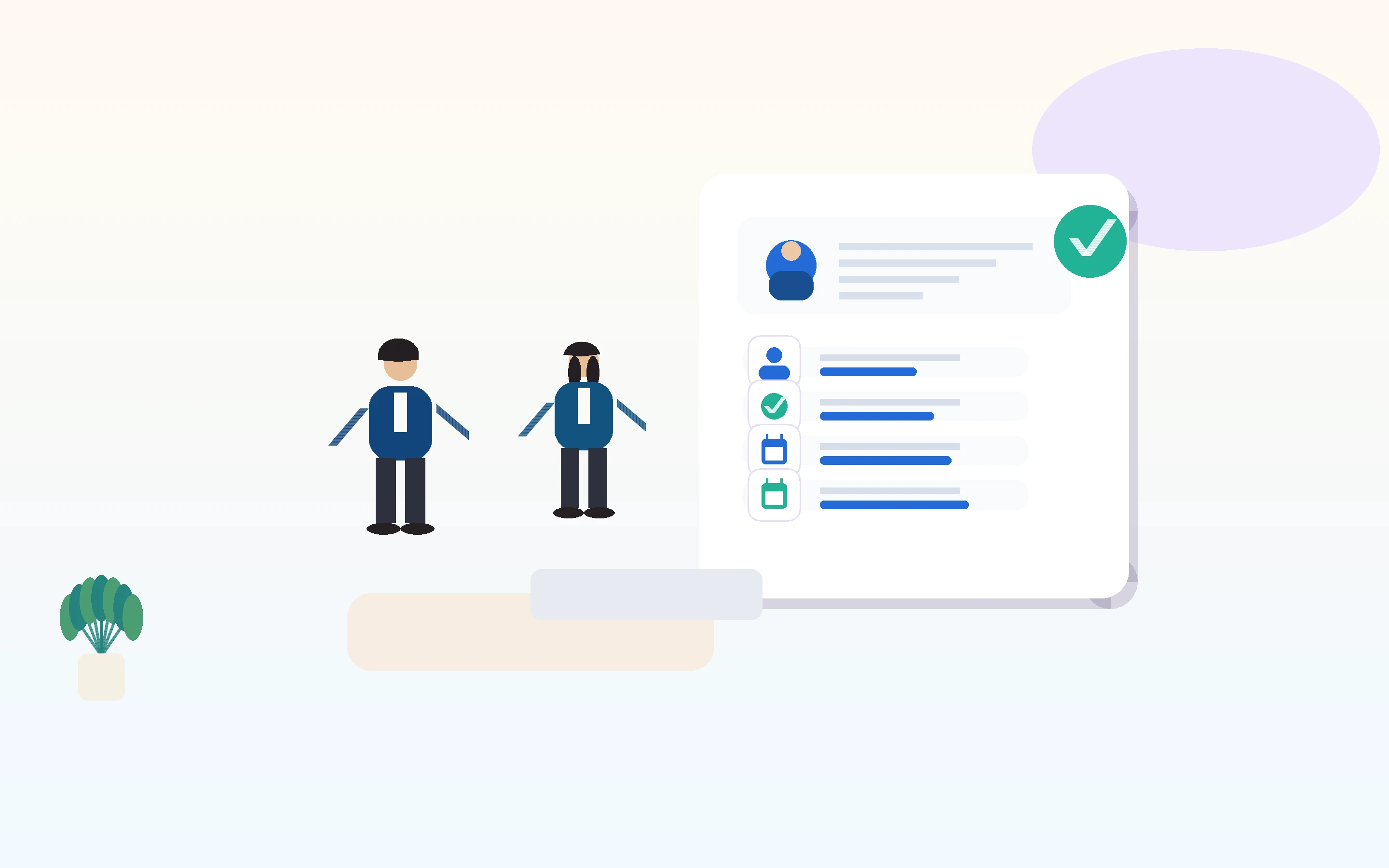
We focus on employee records, approval clarity, attendance structure, payroll readiness, and the operational detail that makes HR teams feel more in control.
The platform is designed to stay straightforward for HR admins and managers while keeping sensitive company data protected behind role-based access.
When a company evaluates HR software in Myanmar, the real question is usually simple: can the system reflect the way the team already works without creating more confusion? My HR is shaped around that practical standard.
We care about whether HR admins, managers, and finance reviewers can actually use the system comfortably during busy periods, not just whether the screens look polished in a demo.
Role-based access, audit-friendly patterns, MFA-aware flows, and separated owner-level entry points help keep the system disciplined.
It is built around daily tasks and real workflow coordination, not just static employee storage or presentation-only dashboards.
Rollout can include setup guidance, demo-ready presentation, implementation support, and workflow adjustment for the way your team works.
This is usually the stage where companies want to understand whether the platform fits their real workflow, not just a product demo story.
My HR is built for companies that want cleaner employee records, stronger approval control, better attendance discipline, and a more organized HR operating flow.
It works for both. Smaller teams often start with one core workflow first, while growing businesses usually connect multiple HR processes into one shared workspace.
Yes. Workspaces can be configured around company-specific leave rules, approval flows, payroll-related behavior, and operational structure.
Daily usability comes first. The goal is to make attendance, approvals, records, and payroll-related review easier to operate consistently during real working days.
Yes. Many teams start with attendance, leave, or employee records first, then add payroll support, analytics, or talent workflows as the rollout matures.
My HR is meant to feel polished on the front end and structured in operation, so daily work stays calmer and more traceable. If your team is comparing HR software vendors in Myanmar, we can walk through your current process and recommend the best starting point.